
Author: Dr Priya Jain, Consultant - Neurodevelopmental Paediatrics | 14th March, 2026

“Taming the free spirit of children is not our goal. Showing them how to grow in harmony with themselves and others – that’s our job”
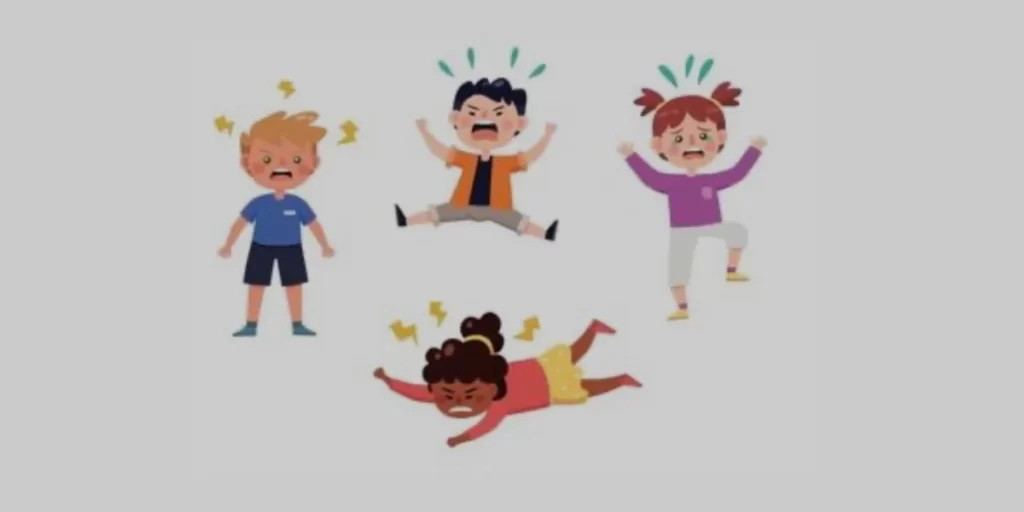
Oppositional Defiant Disorder (“ODD”) is a condition in which a child has behavioral problems of being mostly angry or irritable, refusing to follow rules and disobeying adults, and deliberately being unkind or hurtful to others. When these behaviors occur frequently, with increasing severity and causing significant distress to the child and others it is called ODD.
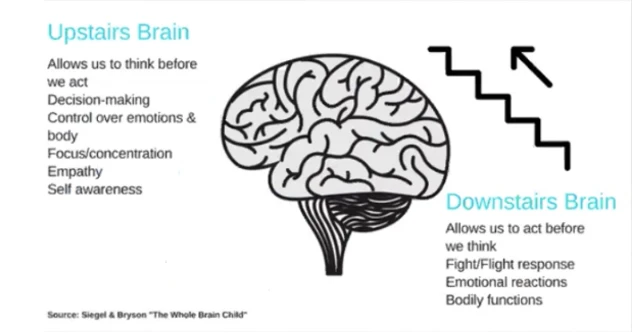
Science behind emotional brain development
- The emotional centers of the brain (amygdala) react and respond immediately, and instinctively.
- Thus, children up to the age of 4-5 years are mostly impulsive and react spontaneously.
- As the Thinking Brain develops (the prefrontal cortex) children learn how to self-regulate emotions and modulate their behaviors.
- Research gives ample evidence with regard to the emotional health of children and adolescents; it is closely associated with the social emotional input they receive and the environment they live in.
Reasons for Maladaptive Behaviors
- Family disharmony – Criminal activities in family, separation or divorce of parents, poverty.
- Substance abuse – by parents or siblings
- Parenting style – negligent, harsh or abusive, overly strict
- Inconsistent discipline – inadequate supervision allowing misbehaviors, instant gratification
- Exposure to violence – domestic violence, physical or sexual abuse, ongoing trauma exposure
When to seek help
- If the misbehaviors are occurring frequently, and increasing in intensity and duration
- If the child is most times refusing to heed to or cooperate with peers, parents, and adults or authority.
- If the negative behaviors are occurring in different settings like home, school, play, etc.
- If there is deliberate harm to people or property
If parents/caregivers are confused, overwhelmed, and unable to understand how to help their child.
The path towards a responsive and responsible young adult
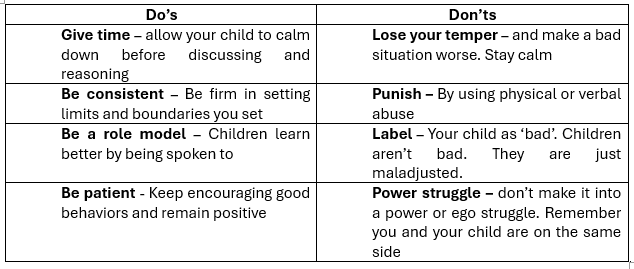
- Start young. Your child is never ‘too young’ to understand behaviors.
- Encourage and praise good behaviors often.
- Set clear limits and boundaries and remain firm in maintaining them.
- Listen attentively. Respond to your child’s emotional needs consistently. Children often ‘act’ out to gain attention of parents.
- Keep them engaged in activities – sports, art and craft, music etc. that interest them. It teaches them discipline, cooperation, ownership and a sense of achievement.
- Increase direct social interactions with family and friends while limiting use of screen and social media.
- Seek professional help to guide you and your child towards a well-adjusted and a happy family unit.